
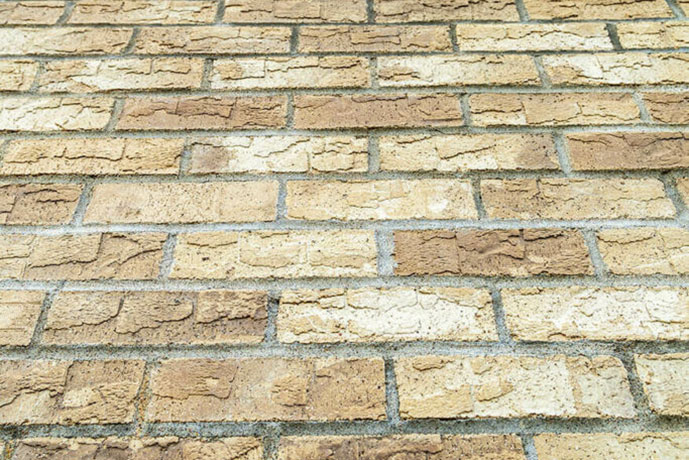
A brick sample can look right on a desk and still create problems after the project is priced. The selected unit needs to fit the wall design, the desired color range, the required exposure, the construction schedule, and the quantities in the estimate. When a Kansas City architect, builder, or owner comes to us for face brick, we want those conditions in view before anyone commits to one attractive sample. We can help narrow choices and coordinate product information; the design professional and installer must confirm the wall assembly and specifications. That early conversation gives a buyer a better chance of ordering the material they actually intend to build with.
Bring the Wall, Not Just a Color Preference
We ask what the brick will cover: a whole exterior, an entry, a school addition, a commercial storefront, or a small repair beside existing masonry. The scale changes how color and texture read. A highly varied brick may feel lively in a sample tray and busy on a long wall. A subtle blend may look quiet indoors yet show more variation in daylight. We would ask for elevations, the intended mortar appearance, and photographs of nearby materials so we can discuss options in the context of the project.
The wall assembly matters just as much. Face brick is typically the visible masonry facing, but it is not a substitute for decisions about structure, support, drainage, ties, and movement. We would ask the design team what thickness, nominal size, special shapes, and technical criteria are specified. If an owner wants the look of full-depth brick where the existing condition cannot accommodate it, thin brick options may be worth evaluating as a different assembly. The architect and installer must decide whether that approach fits the substrate and the project requirements.
Imagine a developer pricing a new retail building with a warm red brick, dark windows, and precast accents. A small sample looks close to the rendering. Before the purchase order, we would want the team to see a representative range, identify the intended bond and mortar, and confirm whether corner or sill shapes are required. The selected brick could be a strong choice, but a decision based on one unit leaves too many questions for the mason to resolve after delivery. That is an example of a common decision point, not a claim about a past job.
Let a Mockup Answer the Appearance Question
The Brick Industry Association’s selection guidance notes that sample panels or mockups can help show finished color and appearance. We find that advice useful because brick varies across units and looks different beside mortar and adjacent materials. A mockup can reveal whether the blend, joint profile, texture, and proportion match the intended design. The team should agree which sample or panel governs acceptance before ordering the full quantity.
We can show the commercial brick options in Kansas City and discuss what is available for the project. Availability needs to be checked for the actual color, size, finish, and quantity at the time of purchase. A catalog image or display unit does not prove that every special shape is in stock. We would ask what the construction schedule allows, which products are approved alternates, and whether the whole project should be supplied from a coordinated order. The installer and designer can then compare options against both appearance and buildability.
Matching existing work needs a different level of caution. KC Brick’s published guidance asks customers to bring photographs taken at distance and closer up, plus a loose brick if available. We would also ask about age, exposure, cleaning, and the mortar around the old wall. New material may never look identical to a weathered surface. A buyer should review a proposed match under realistic light and decide whether a complementary blend or deliberate contrast is more honest than a promise of invisibility.
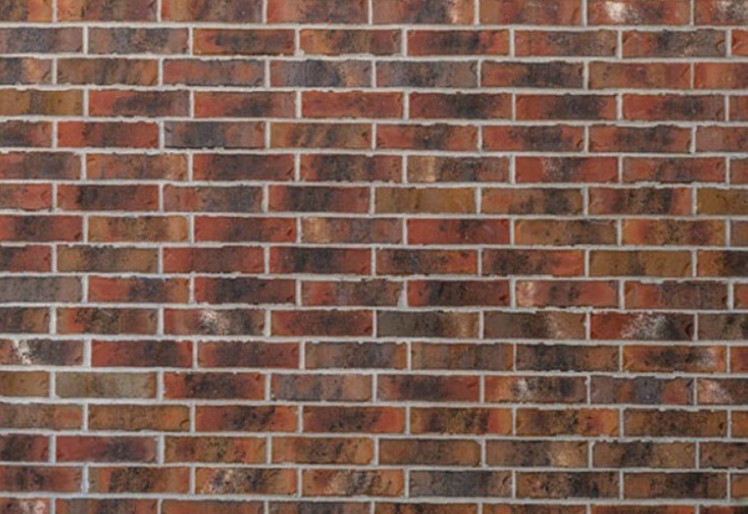
Ask the Specification Questions Before the Price Comparison
An estimate for face brick is only comparable when all bidders price the same unit and scope. We would identify the manufacturer and product, dimensions, finish, special shapes, estimated quantity, delivery assumptions, and any allowance for waste or future repairs. The project team should tell us whether there are performance criteria for exposure, strength, or other properties. We can obtain product information for review; the architect or engineer should decide whether the selected unit satisfies the design.
Price per thousand bricks can be misleading if the units differ in size or if one option needs costly details. A longer unit may change labor and joint count, while a unique corner, sill, or radius shape affects ordering. The construction drawings should show where those details occur. We would ask for an accurate takeoff and then discuss supply options. The contractor remains responsible for validating quantities against its methods and schedule, but a complete material list reduces surprise change orders and partial reorders.
We also ask who needs to approve the final selection. On a commercial project, the owner, architect, general contractor, mason, and sometimes a review board may have separate roles. A product should not be released for ordering because one person liked the showroom sample when another has specified a different size. We can help the buyer collect the relevant product information and samples so the decision moves through the proper approval path.
The sample approval can record more than a product number. We would ask the team to identify the accepted color range and the circumstances in which an alternate would be considered. If the building has several elevations, the architect may want to see how the blend appears in sun and shade. That decision can be documented alongside the mortar and mockup so the mason knows what was approved.
Make Delivery Part of the Selection
The installation calendar changes the material decision. If the brick arrives long before the masonry crew can use it, the site needs appropriate storage and handling. If it arrives late, crews may lose a scheduled window. We would ask when the mason needs first delivery, whether the site can accept full loads, and who coordinates subsequent shipments. A phased building may need quantities divided by elevation, but the buyer should discuss how that plan affects product consistency and availability.
We would also identify the single person who can authorize a substitution if the originally selected product is unavailable. A substitute needs review of color, dimensions, performance information, and any special shapes; a similar name or photograph is insufficient. Documenting that review protects the owner, the mason, and the supplier. The goal is to arrive on site with material that meets the approved design, not merely with material that could be shipped quickly.
Choosing KC Brick for a Kansas City face brick project should mean more than selecting from a gallery. We can help compare actual products, gather samples and technical information, discuss availability, and connect the order to the project’s timeline. When the buyer brings drawings, quantities, and decision makers into the conversation, we can respond with options that are easier to approve and install. That is a practical reason to talk with a supplier before the bid is locked.
Frequently Asked Questions
Can one brick sample establish the final wall color?
It is a starting point. We would recommend viewing a representative range and, where appropriate, an approved mockup with the planned mortar and adjacent materials before the full order is released.
Can KC Brick approve the wall assembly?
We can provide product options and available technical information. The design professional and installer remain responsible for the assembly, structural details, moisture management, and compliance decisions.
What should we bring to compare face brick?
Bring elevations or photographs, the specified size and performance requirements, desired color and texture, estimated quantities, schedule, and any special shapes. That gives us a useful basis for narrowing products and checking availability.

At KC Brick, picking materials for your project shouldn’t be guesswork. We’ve been local for over 30 years, that means we know stone and brick and what works here. Just tell us what you’re building, and we’ll guide you to the right face brick, stone veneer, or landscaping paver.
No unclear pricing. No unnecessary options. Just hands-on support from design to delivery. Want to talk through your project? Fill out a form here. Call us at 913-287-7200 or stop by our showroom at 2001 S 45th Street, Kansas City, KS. We’ll help it come together.


