
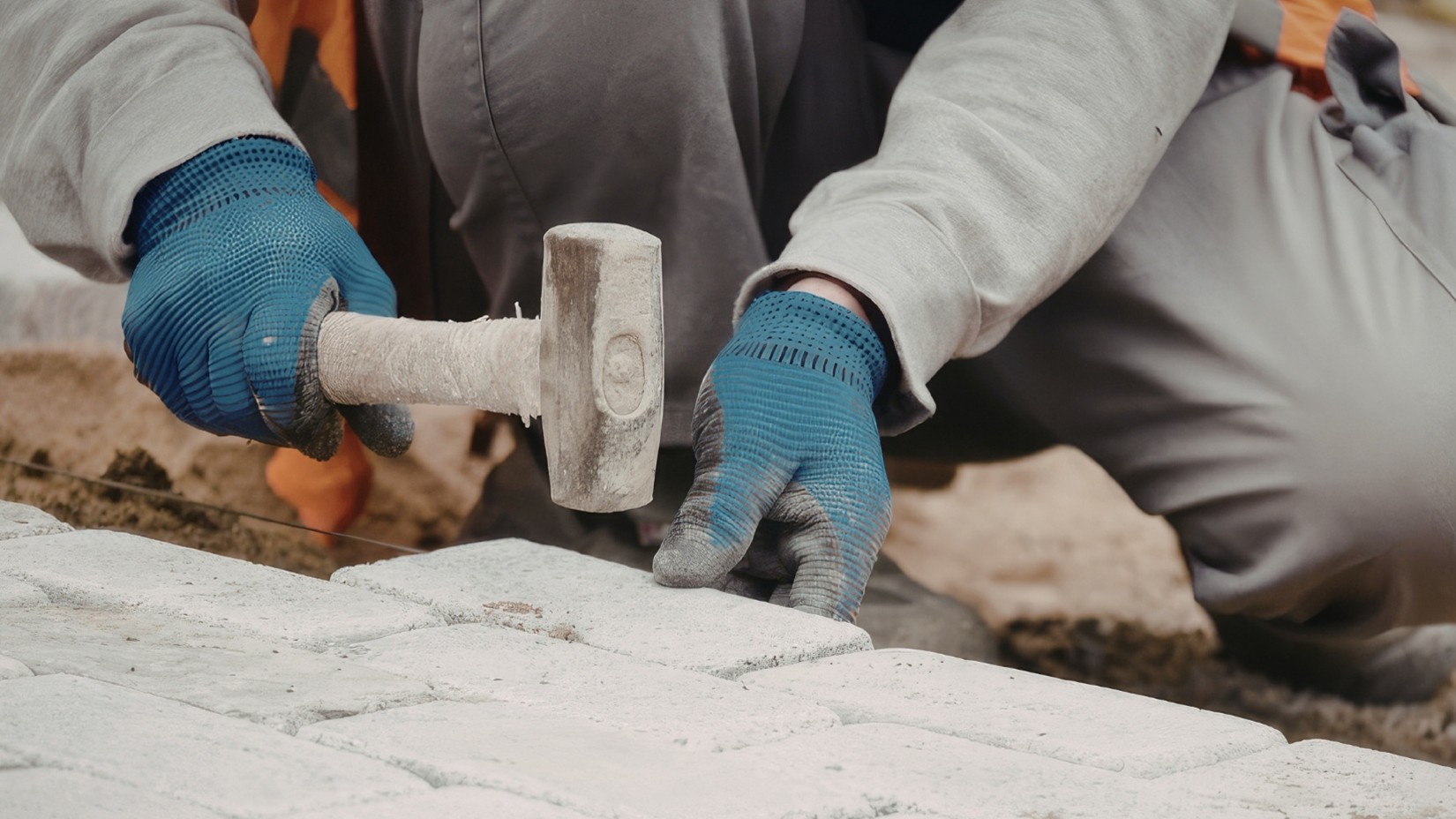
Backyard pavers in Lee’s Summit usually start with a simple goal. Homeowners want a place to sit outside, cook, or walk through the yard without dealing with mud and worn grass. A patio or walkway seems straightforward until the material decision comes up.
The brick and tile supplier in Lee’s Summit you choose affects everything. Appearance matters, but durability matters more. Midwest weather puts constant pressure on outdoor surfaces. Freezing winters, humid summers, and heavy spring rain all test the strength of patio materials. That is why the first decision most contractors make is selecting the right stone before the project even begins.
A well-built paver space can last for decades. A poorly chosen material can start shifting or cracking within a few seasons.
- Why many homeowners choose pavers over poured concrete
- What makes a good paver material for Midwest weather
- Natural stone brings variation and texture
- Manufactured pavers provide consistent patterns
- Drainage plays a bigger role than people expect
- Outdoor living spaces have expanded
- Installation quality determines how long patios last
- Planning a project with backyard pavers in Lee's Summit
- FAQs
Why many homeowners choose pavers over poured concrete
Concrete patios were once the standard for outdoor living spaces. They were quick to pour and initially less expensive. Over time, problems usually appear.
Concrete slabs crack when soil shifts. Once cracks form, repairs rarely blend in with the original surface. Sections may need to be replaced entirely.
Pavers handle these issues differently. Individual stones sit on a prepared base that allows small movement without damaging the surface. If a section settles, stones can be lifted and reset instead of replacing the entire patio.
Because of this flexibility, homeowners researching outdoor projects often start by looking at pavers in Lee’s Summit rather than concrete slabs.
What makes a good paver material for Midwest weather
Outdoor materials must handle constant environmental stress in Missouri. Rain, temperature swings, and soil movement affect how long a patio or walkway lasts.
Stone used for pavers typically needs several qualities:
- Dense structure that resists cracking
• Low water absorption
• Consistent thickness for stable installation
• Surface texture that prevents slipping
Natural stone and manufactured pavers both meet these requirements when installed properly. The difference often comes down to appearance and layout design.
Many homeowners visit a landscaping stone supplier in Lee’s Summit to compare these materials in person. Seeing the stone outdoors helps reveal color variations that pictures rarely capture.
Natural stone brings variation and texture
Natural stone creates a more organic look in outdoor spaces. Every piece carries unique mineral patterns and color shifts.
This variety works well in landscapes where the patio blends into gardens, trees, or older homes. Instead of a perfectly uniform surface, natural stone produces subtle variation across the entire patio.
Popular options include limestone, bluestone, and sandstone. These materials hold up well in regional weather and provide good traction for outdoor surfaces.
Many homeowners rely on a landscaping stone company in Lee’s Summit to help narrow down which stone type works best for their yard conditions.
Manufactured pavers provide consistent patterns
Manufactured pavers are made from concrete molded into consistent shapes and thicknesses. This precision helps installers create tighter joints and more structured layouts.
Pattern systems are a major advantage. Multiple shapes can lock together to create repeating designs that feel intentional rather than random. These pavers also maintain consistent coloring throughout the material, which helps prevent fading over time.
For patios, driveways, and large outdoor seating areas, manufactured pavers are often selected for their durability and clean appearance.
Drainage plays a bigger role than people expect
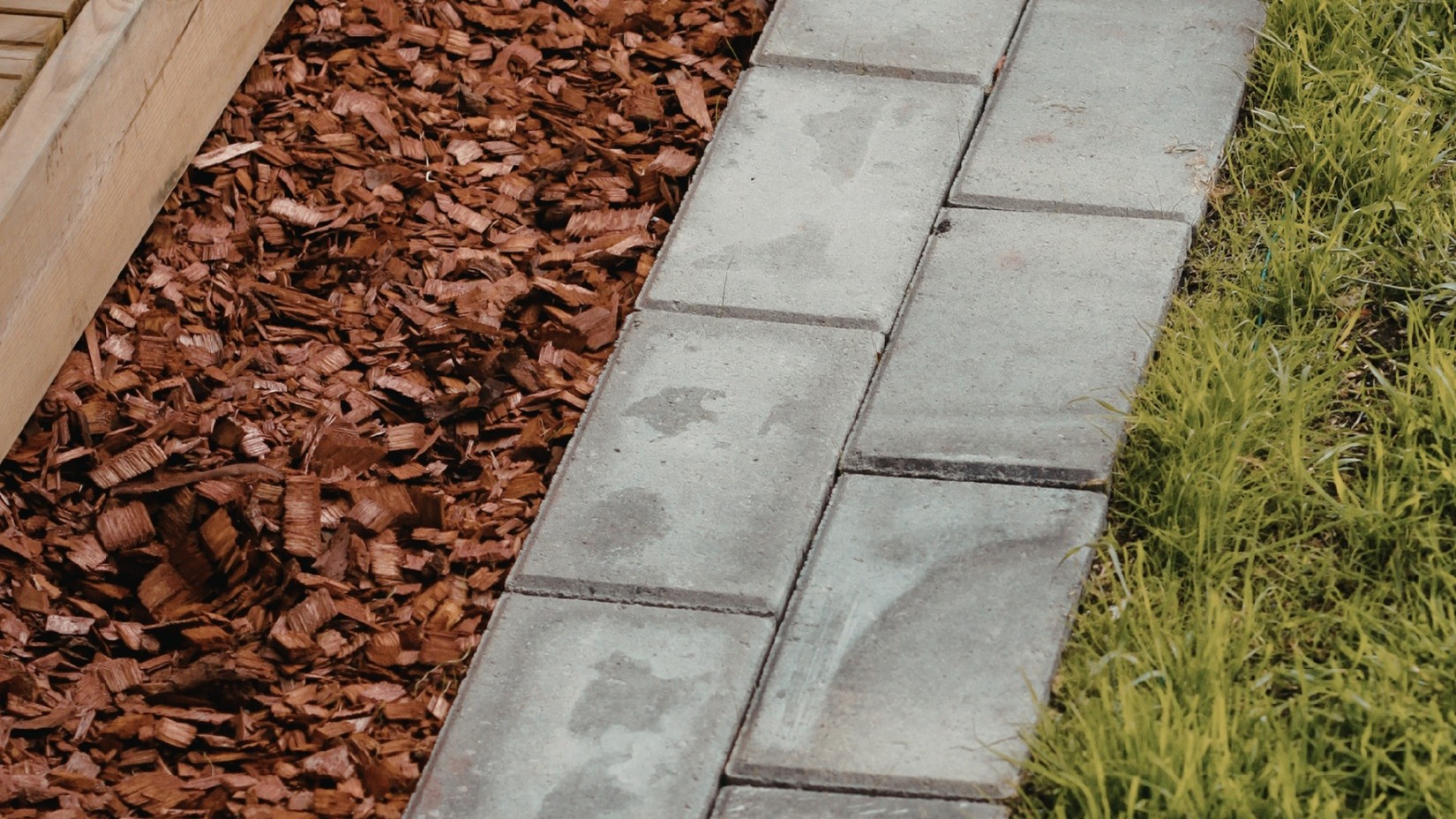
Water management is one of the most overlooked parts of patio construction. If rainwater cannot move through the base layer beneath a patio, the ground begins to shift. Over time this movement causes uneven surfaces or loose stones.
Proper installation includes a compacted gravel base topped with a sand layer. This system allows water to drain away from the pavers rather than collecting underneath them.
Contractors experienced with landscaping stone in Lee’s Summit understand how local soil conditions influence drainage and compaction.
Outdoor living spaces have expanded
Backyard pavers in Lee’s Summit for patios today are rarely just small seating areas. Many homeowners are turning their yards into full outdoor living spaces.
Common additions include:
- Fire pits and seating walls
• Outdoor kitchens
• Garden walkways
• Poolside patios
• Multi-level entertainment areas
Each feature uses pavers differently. Walkways often use smaller stones that follow curves through the yard. Patios lean toward larger pieces that create open gathering areas. Planning the layout early helps determine the type and size of stone that will work best.
Installation quality determines how long patios last
Even high-quality pavers will fail if installation shortcuts are taken.
The base layer must be compacted in stages. Edges need strong restraints to keep the patio from spreading outward over time. Joint sand must settle fully to lock the stones together.
Professional installers focus heavily on these steps because they determine how the patio performs years later. When installed correctly, paver patios often last decades with minimal maintenance.
Planning a project with backyard pavers in Lee’s Summit
Every yard has different conditions. Soil type, drainage patterns, and slope all influence how a patio should be built.
Some homeowners want a quiet retreat area. Others design spaces meant for hosting large gatherings. Material selection usually comes after those needs are discussed.
Working with local experts who regularly install backyard pavers in Lee’s Summit helps homeowners choose stone that fits both the look of the project and the demands of local weather.
FAQs
Are pavers stronger than concrete patios?
Most of the time they hold up better. Pavers allow small movement without cracking. Concrete slabs tend to break when the ground shifts.
Do pavers require sealing?
Sometimes homeowners choose to seal them to enhance color or reduce staining. It is optional for many materials.
How long does a paver patio installation take?
Smaller patios may take a few days. Larger designs with walls or fire pits can take a week or more depending on site preparation.
At KC Brick, picking materials for your project shouldn’t be guesswork. We’ve been local for over 30 years, that means we know stone and brick and what works here. Just tell us what you’re building, and we’ll guide you to the right face brick, stone veneer, or landscaping paver.

No unclear pricing. No unnecessary options. Just hands-on support from design to delivery. Want to talk through your project? Fill out a form here. Call us at 913-287-7200 or stop by our showroom at 2001 S 45th Street, Kansas City, KS. We’ll help it come together.


